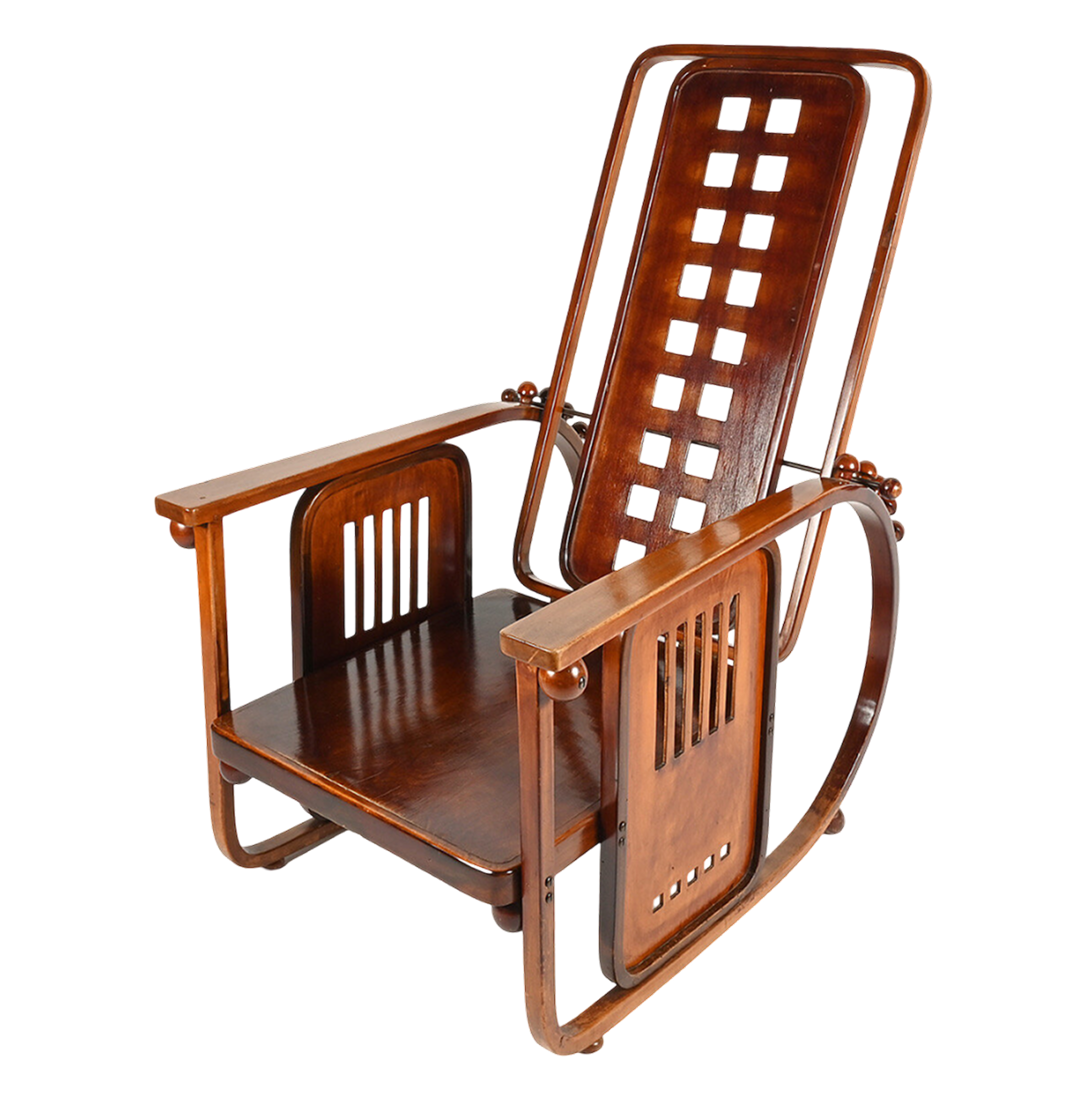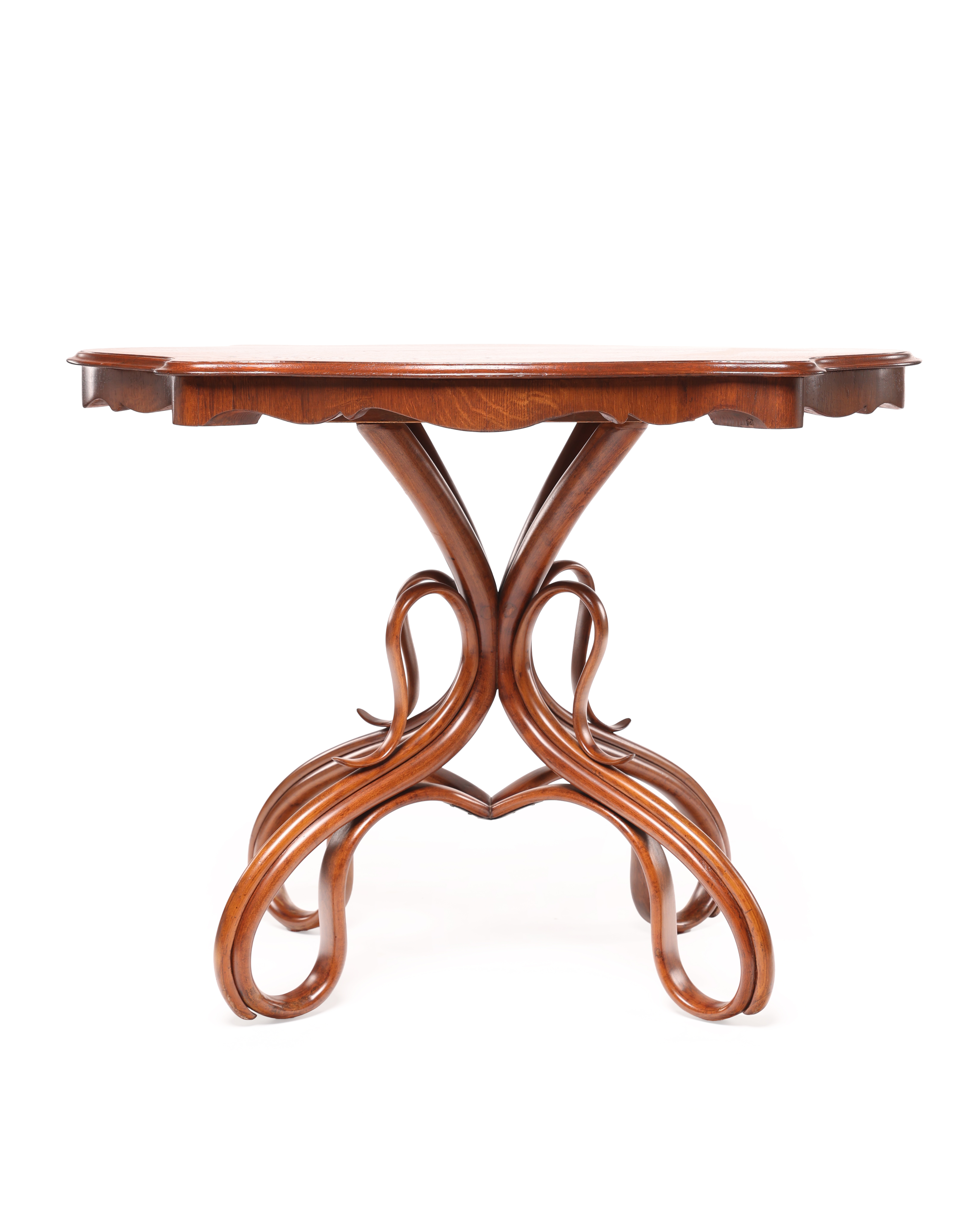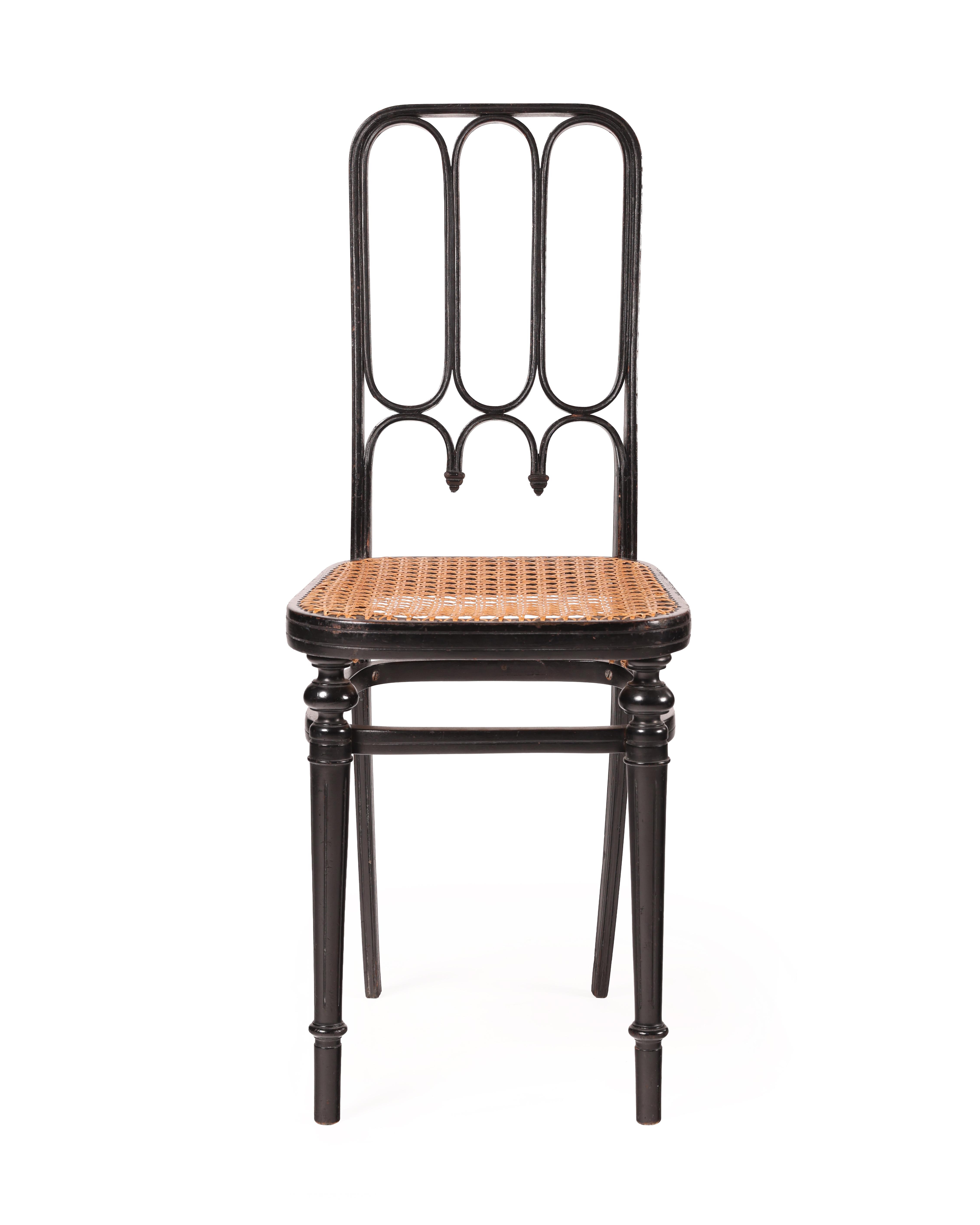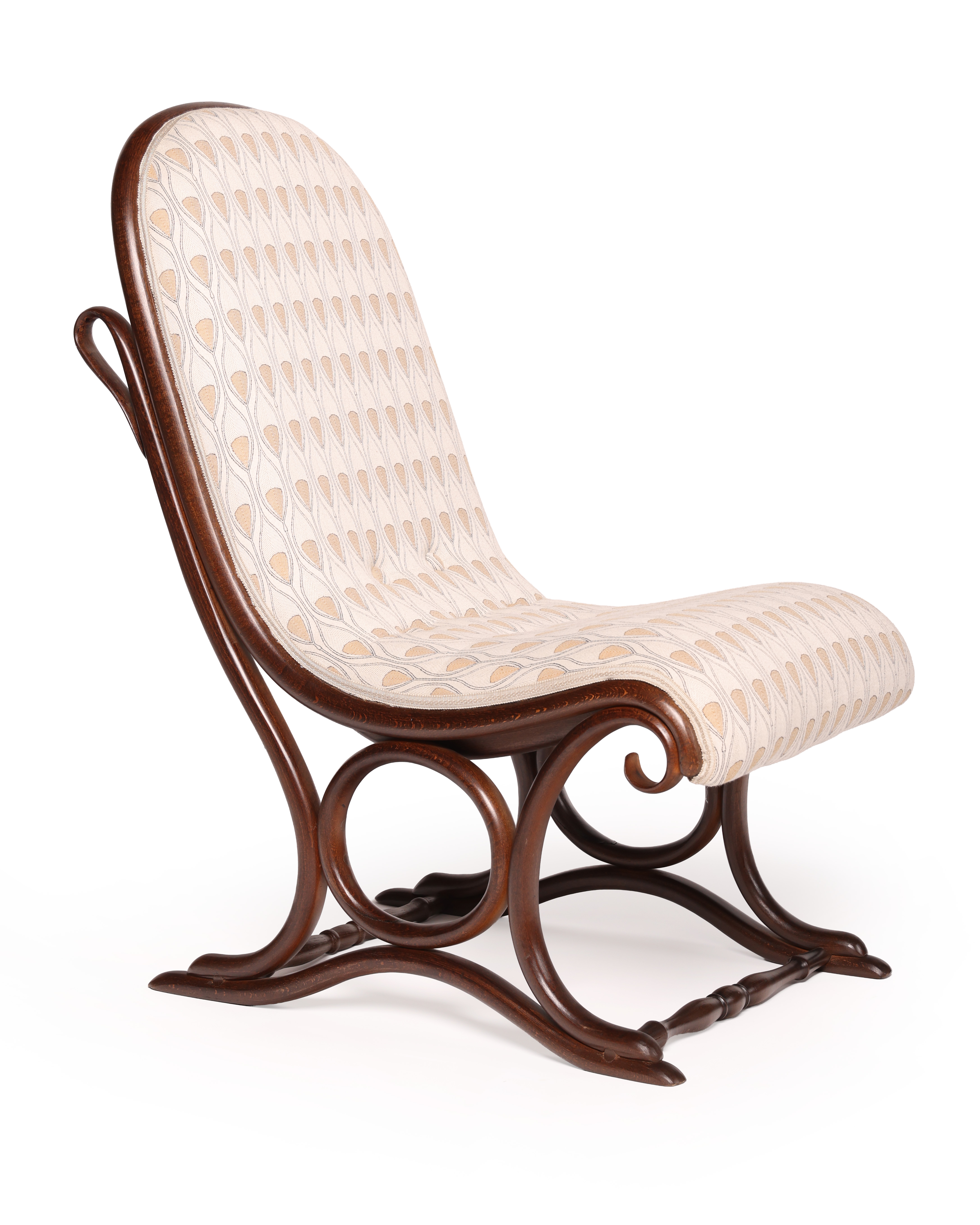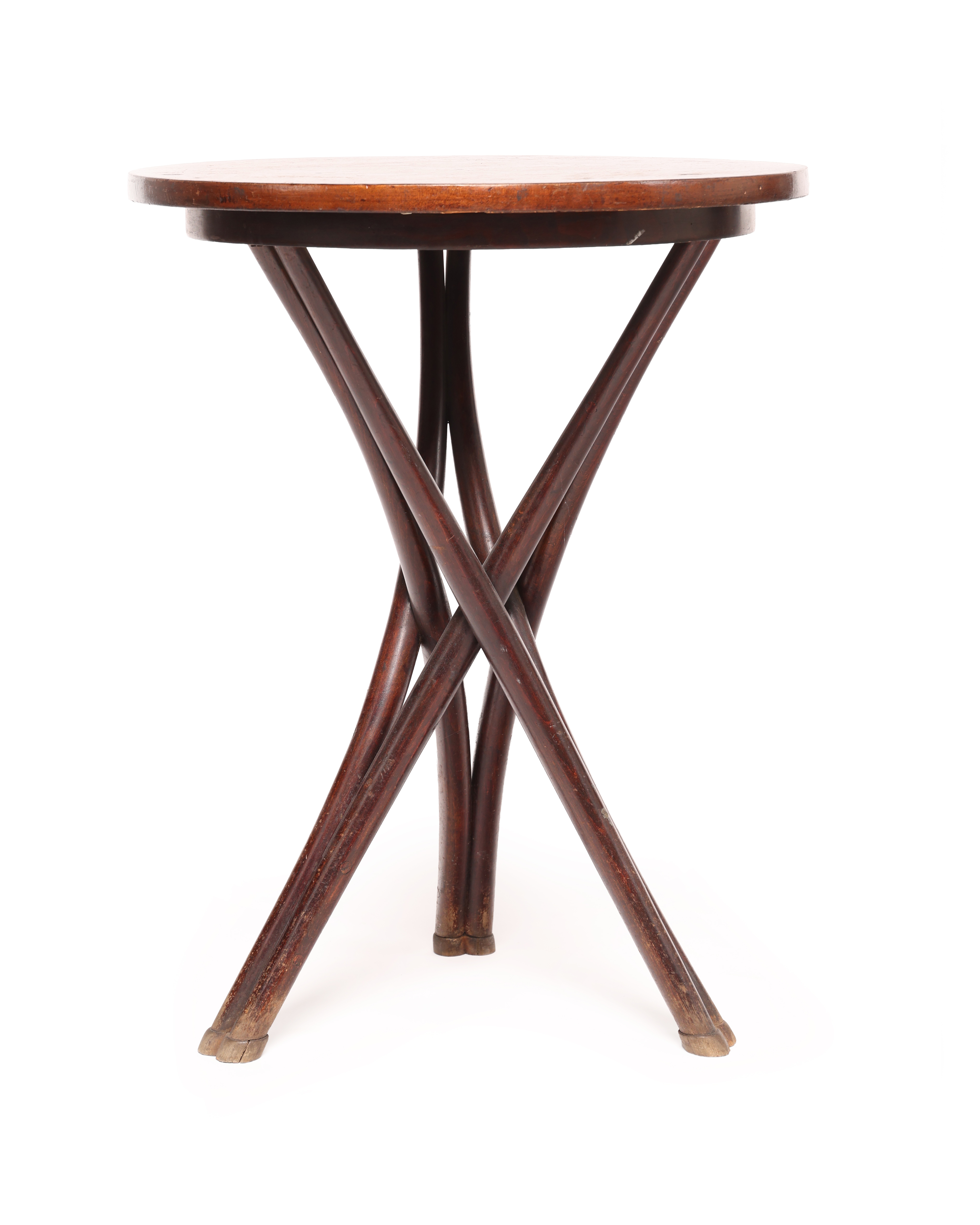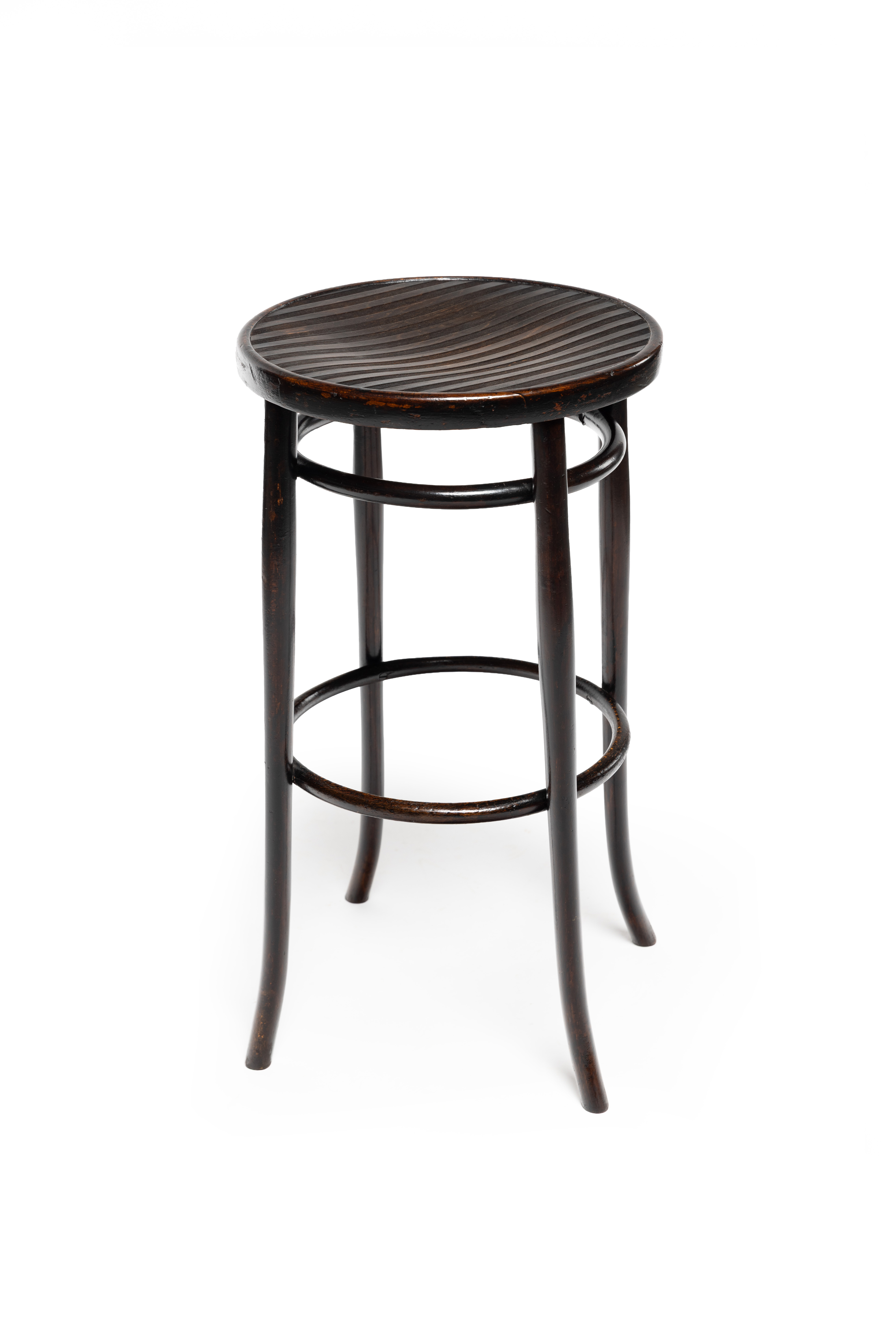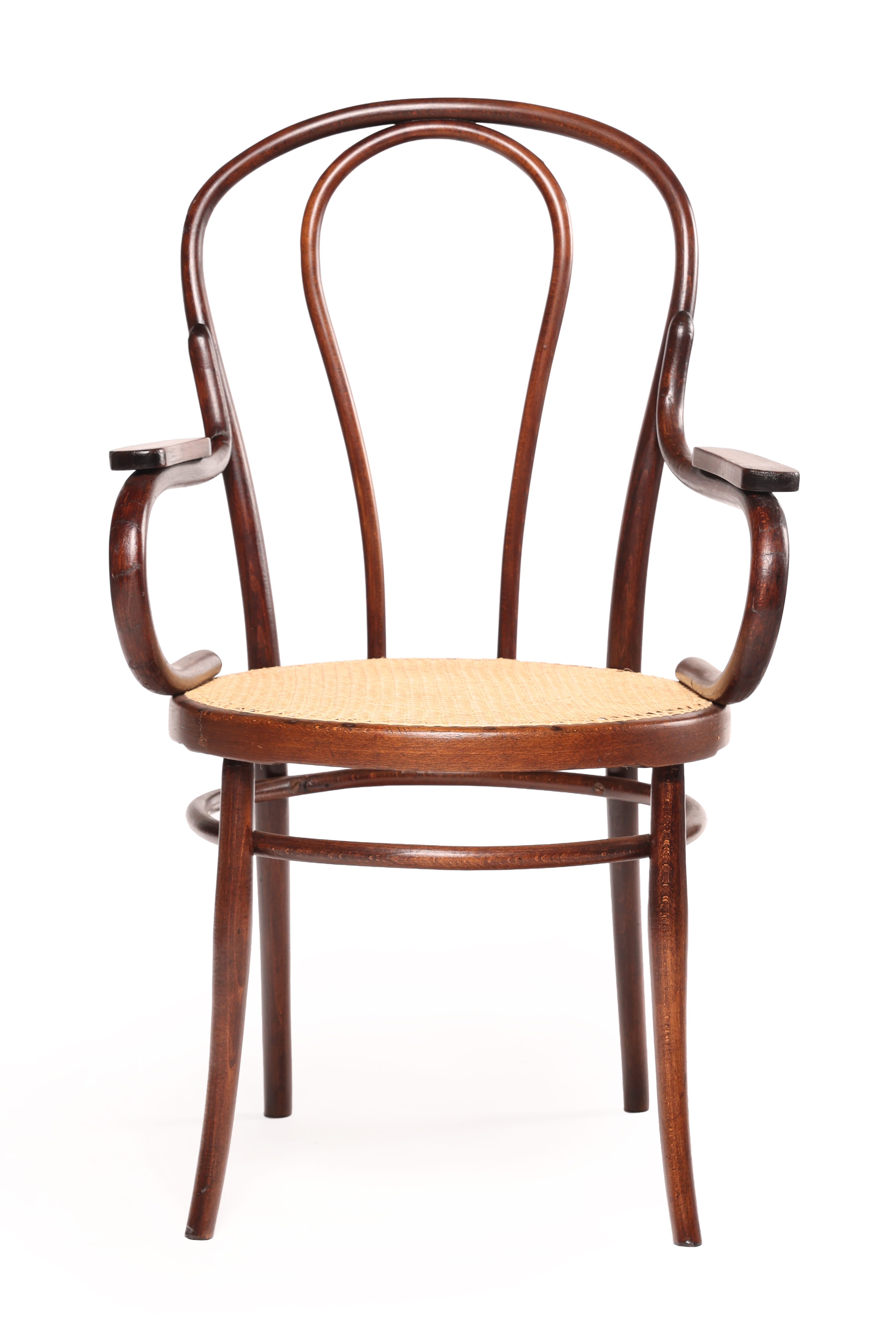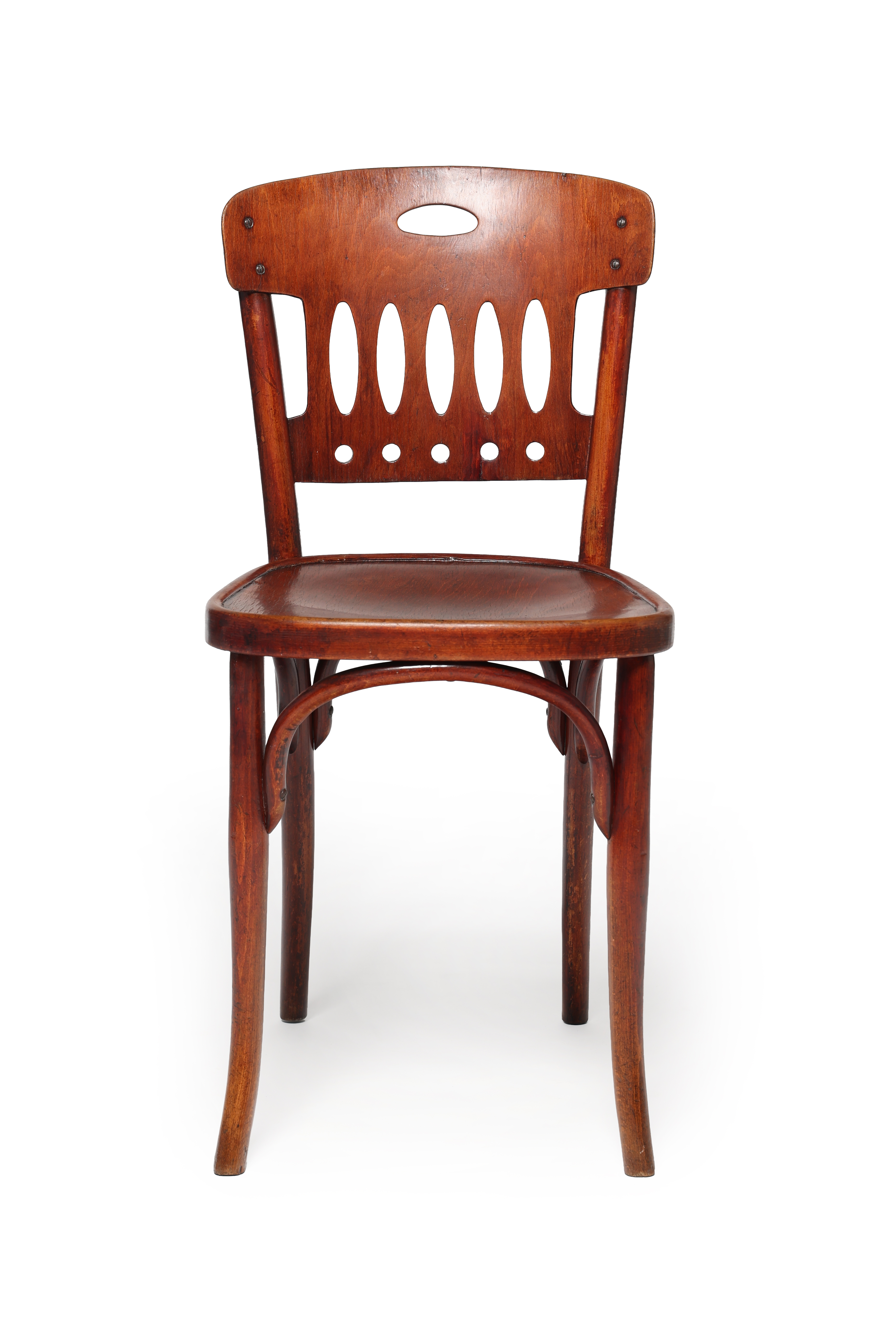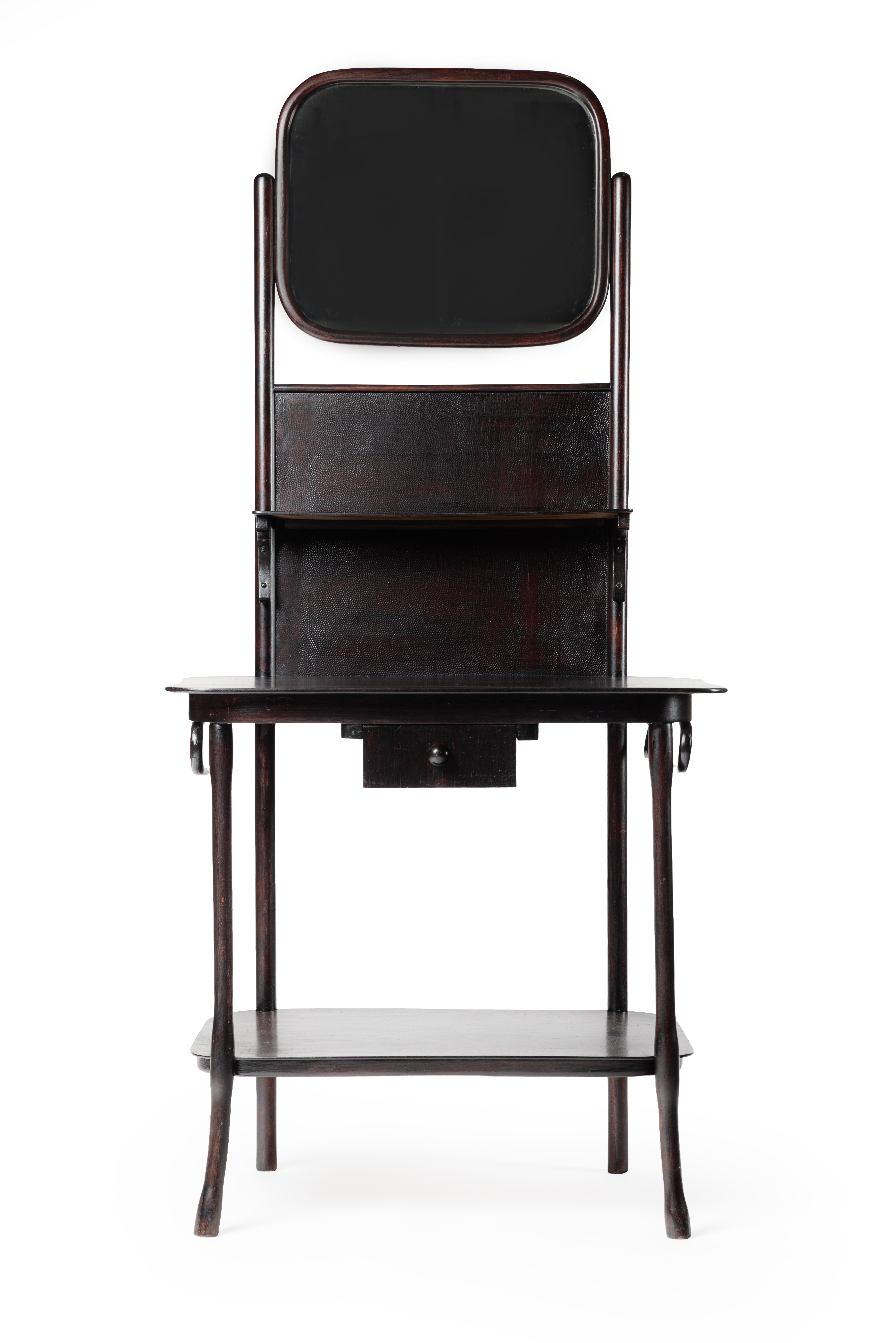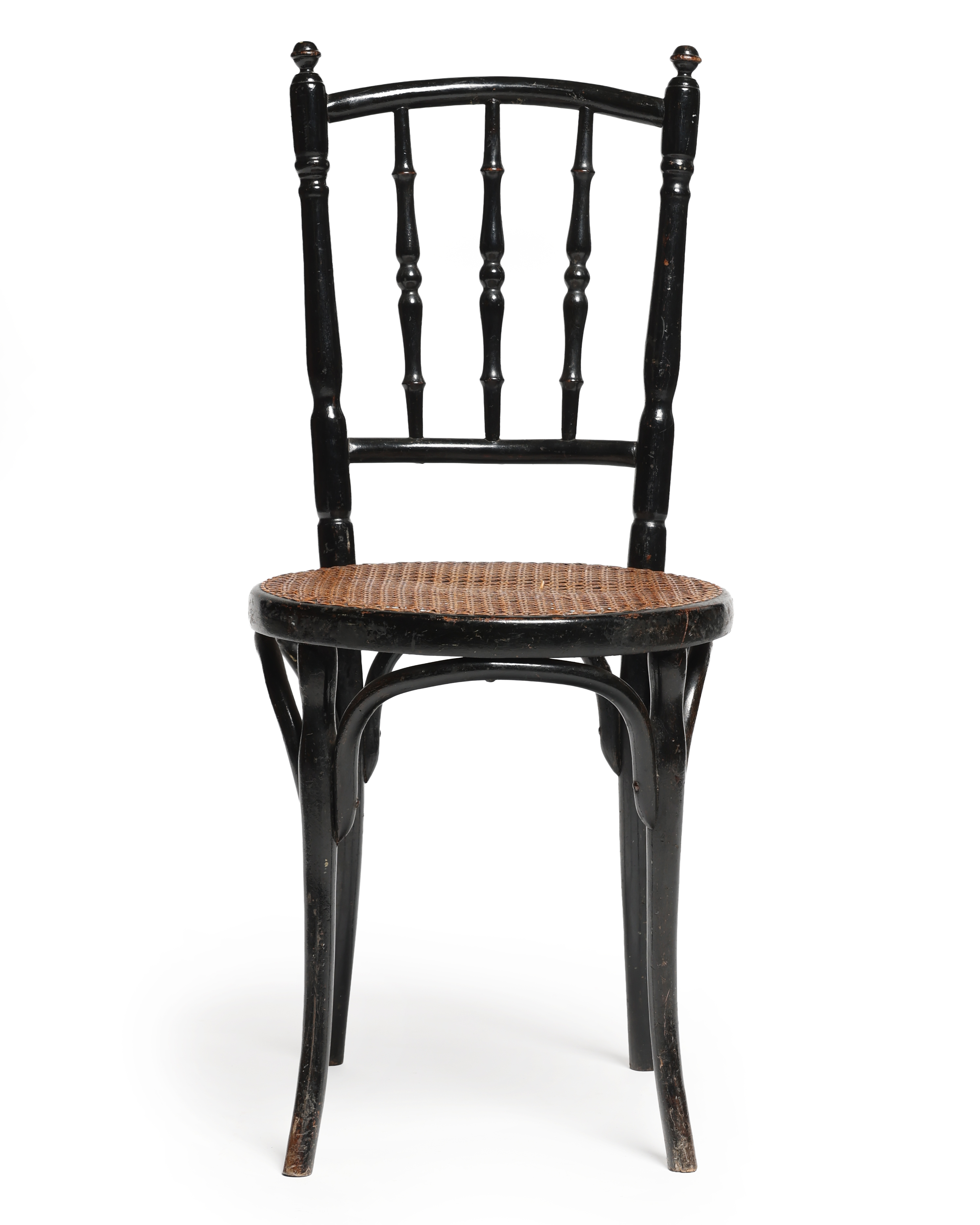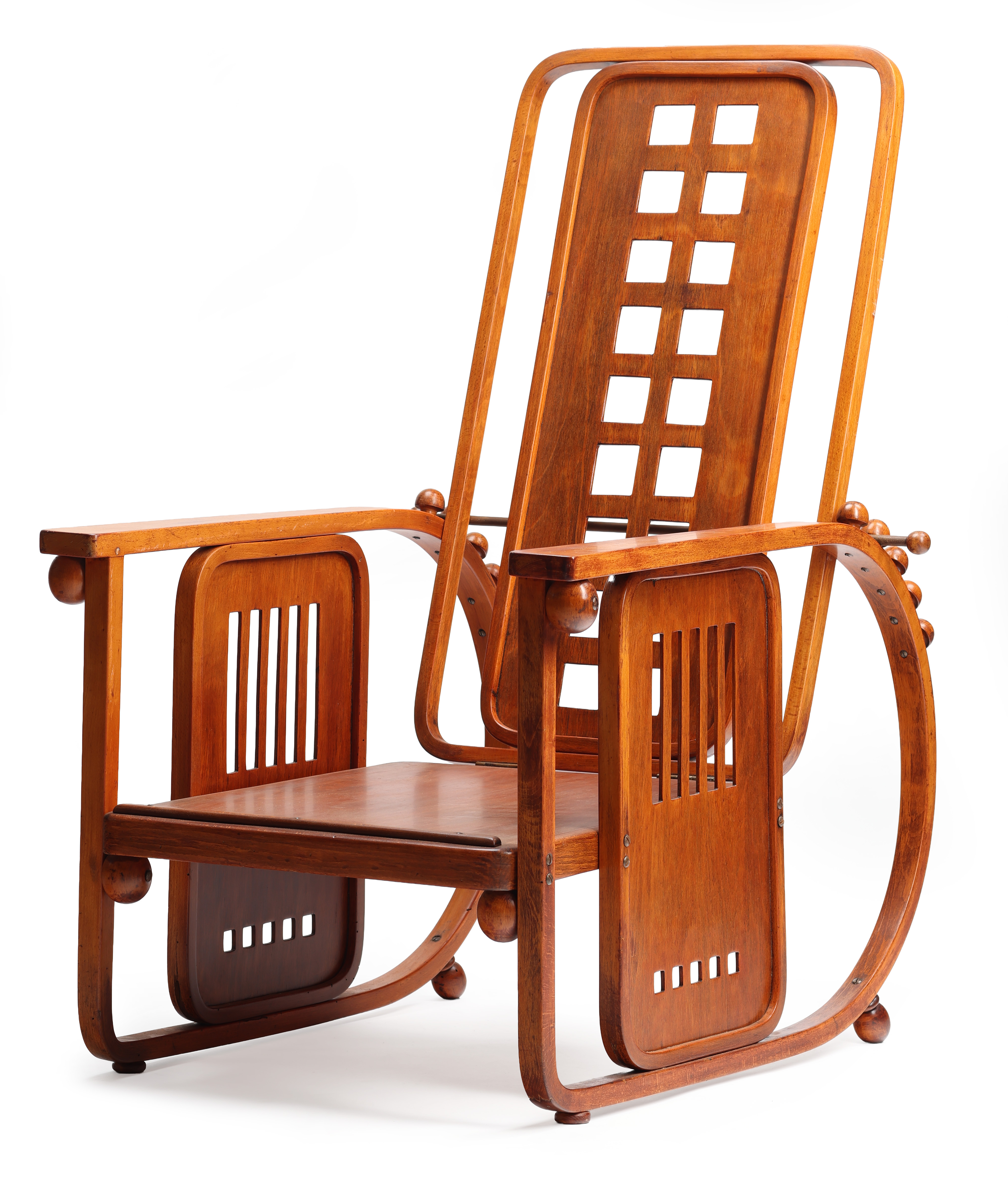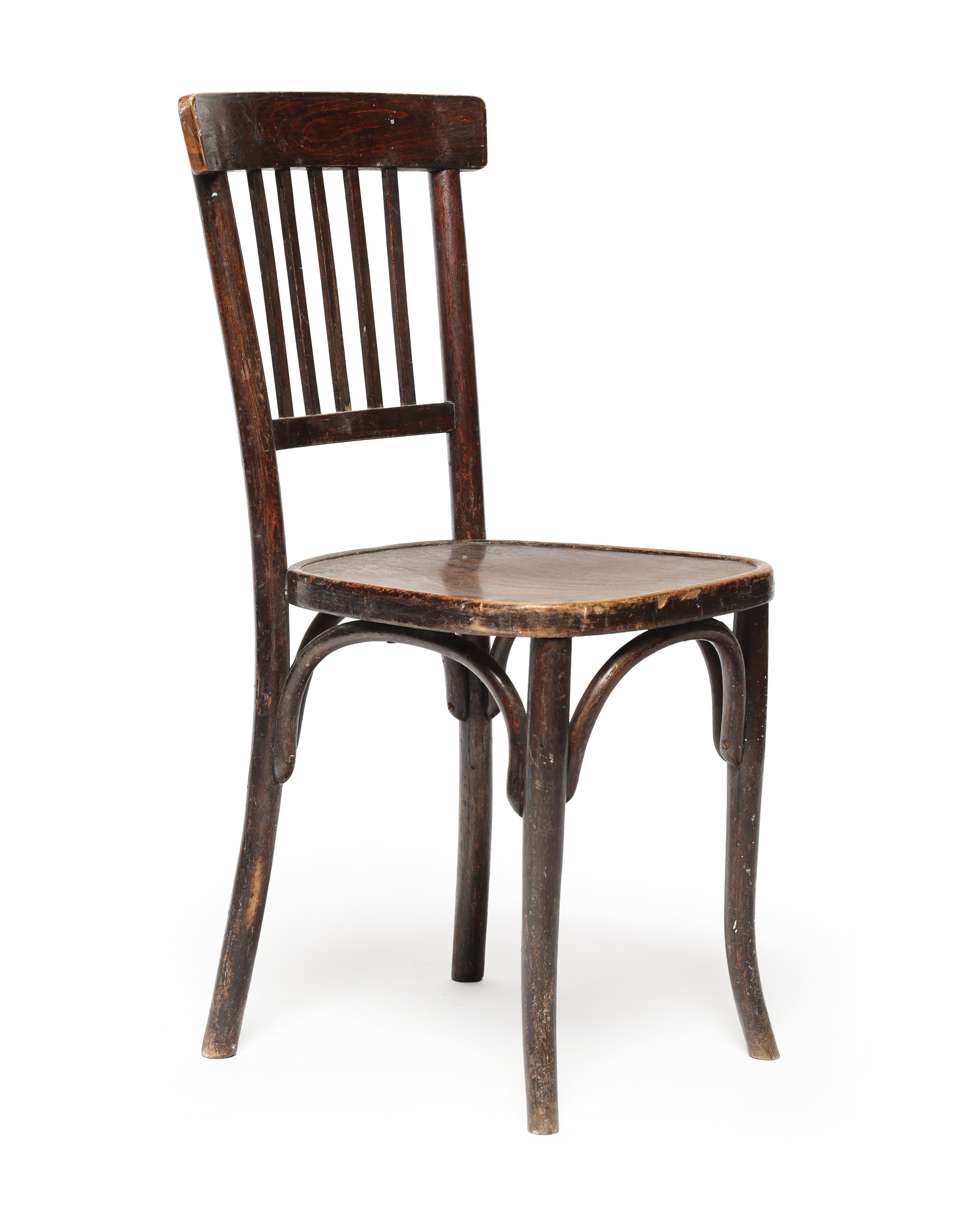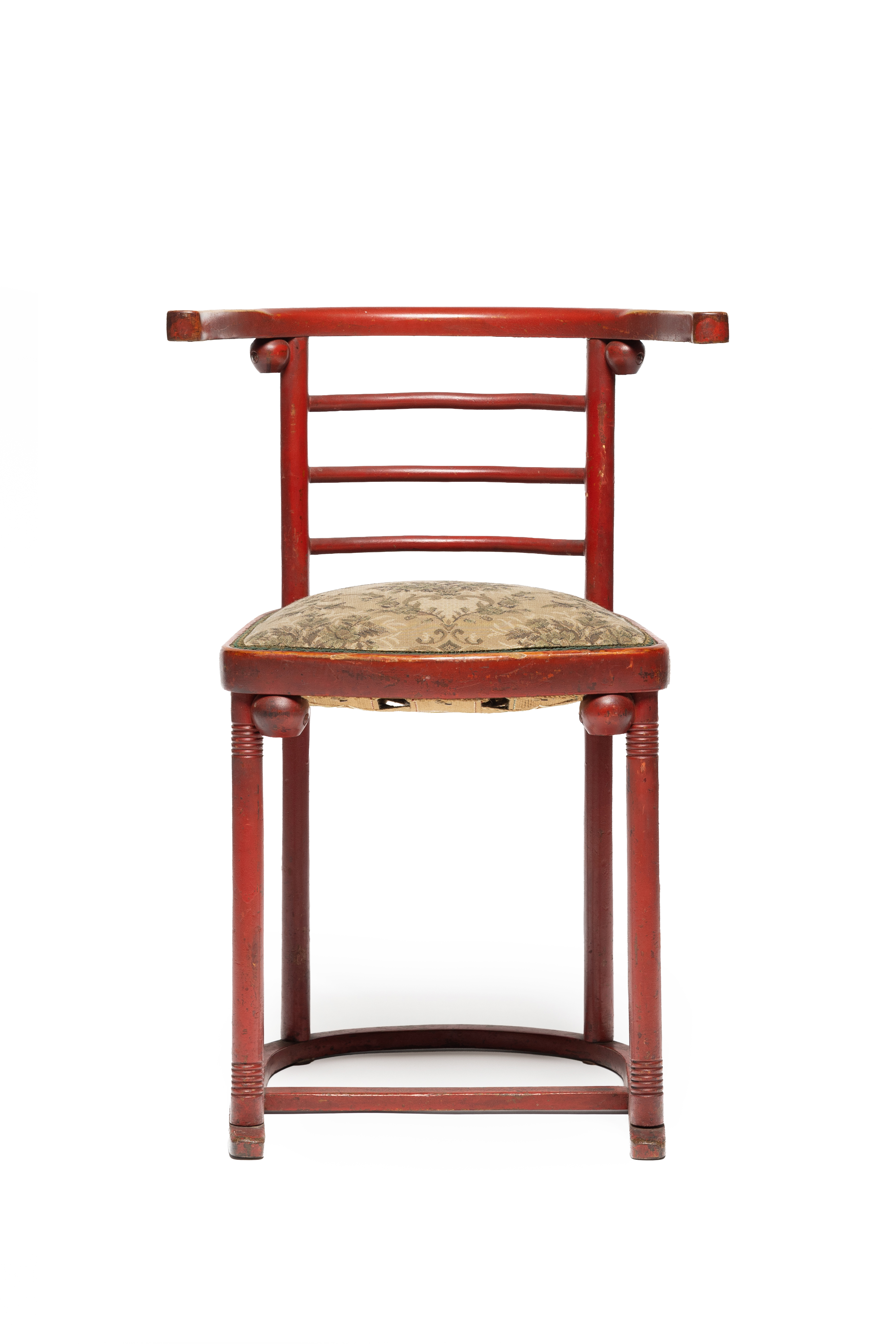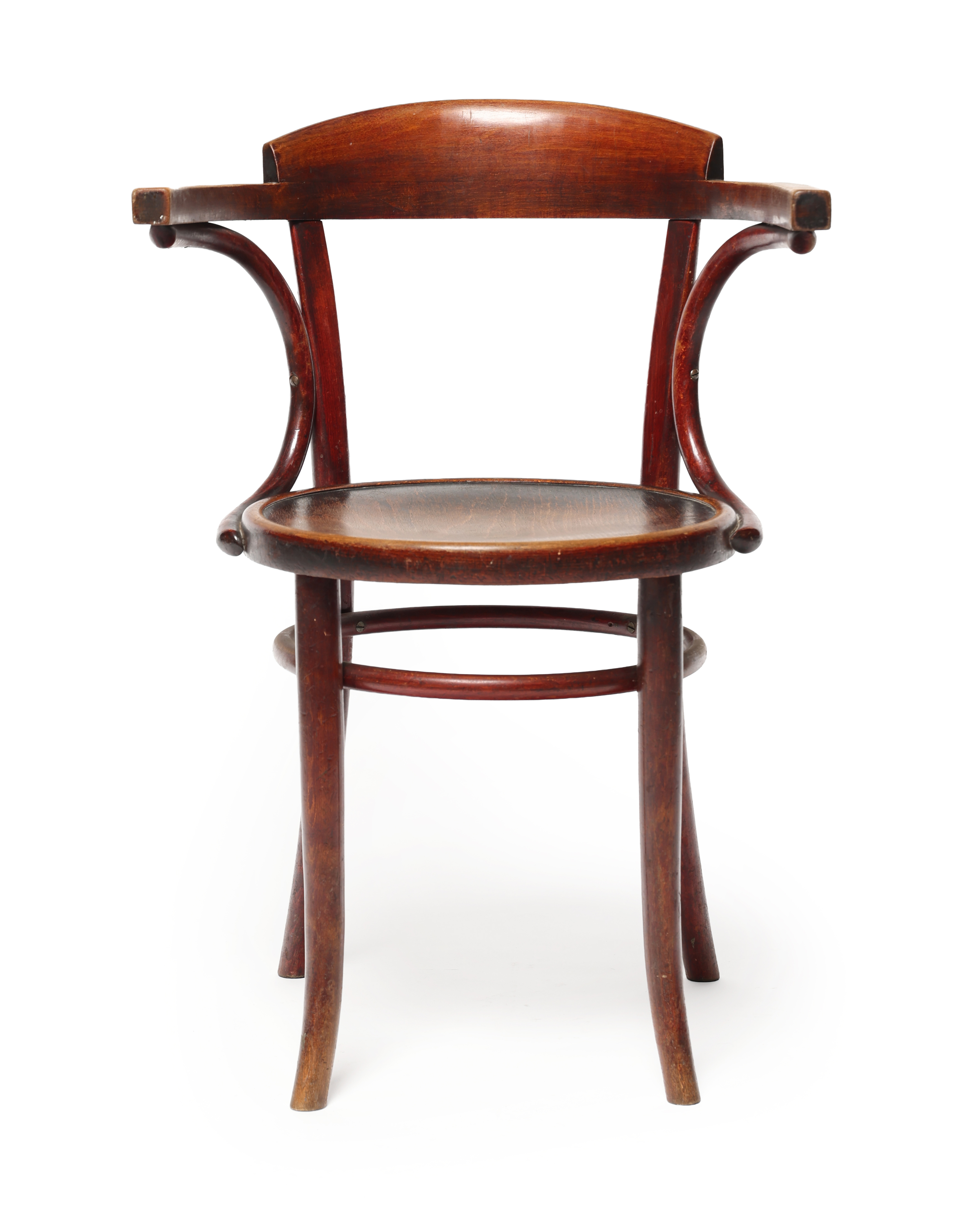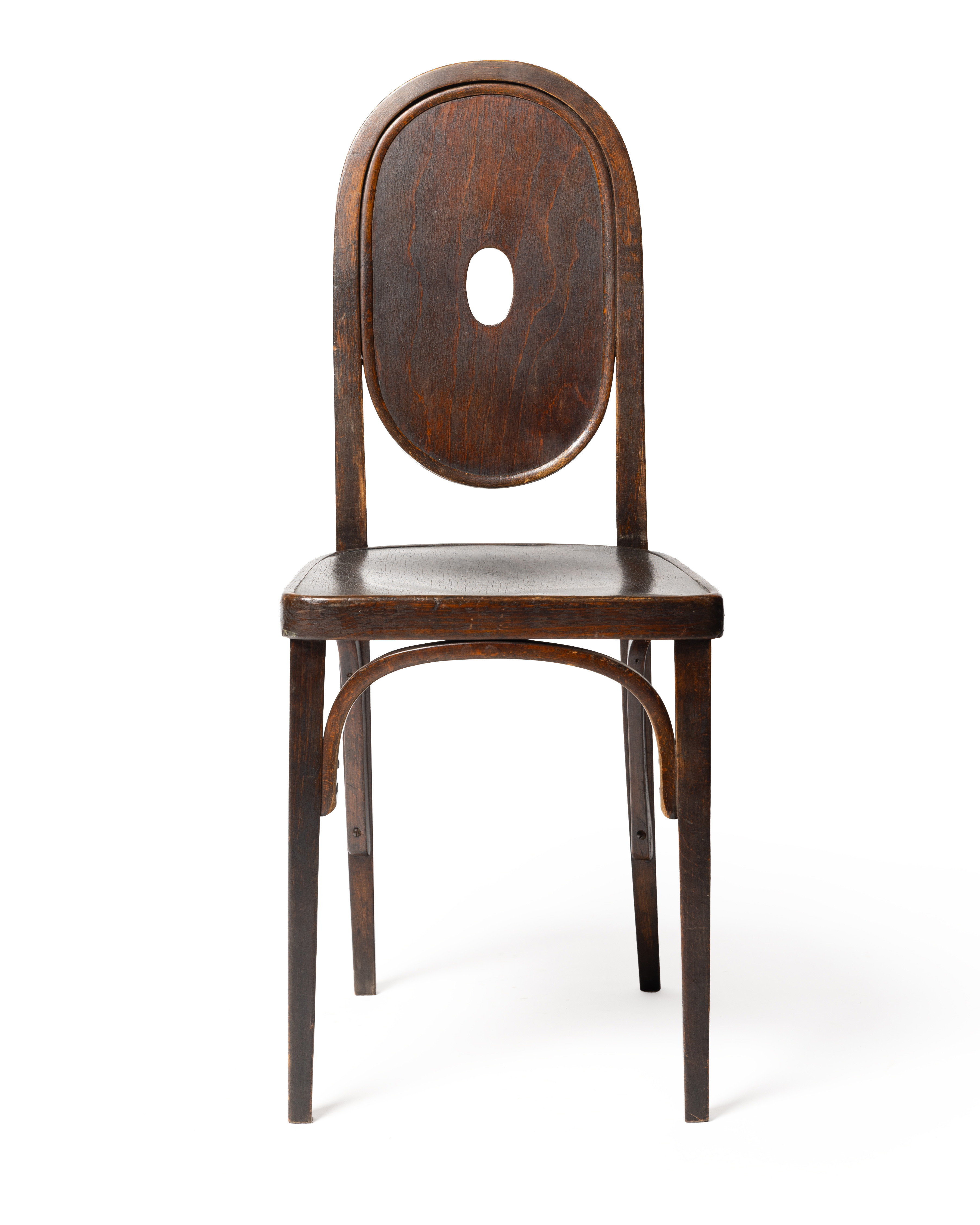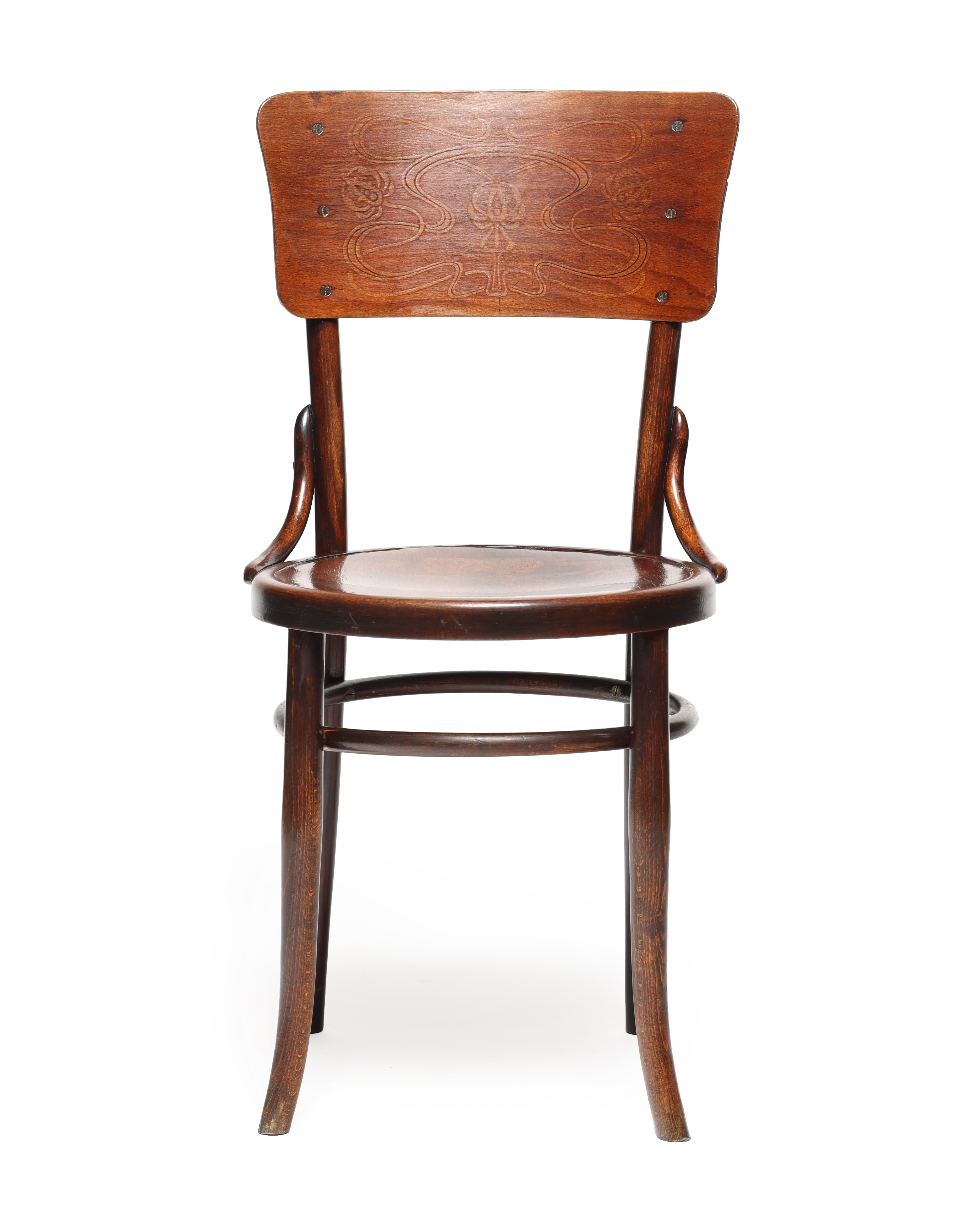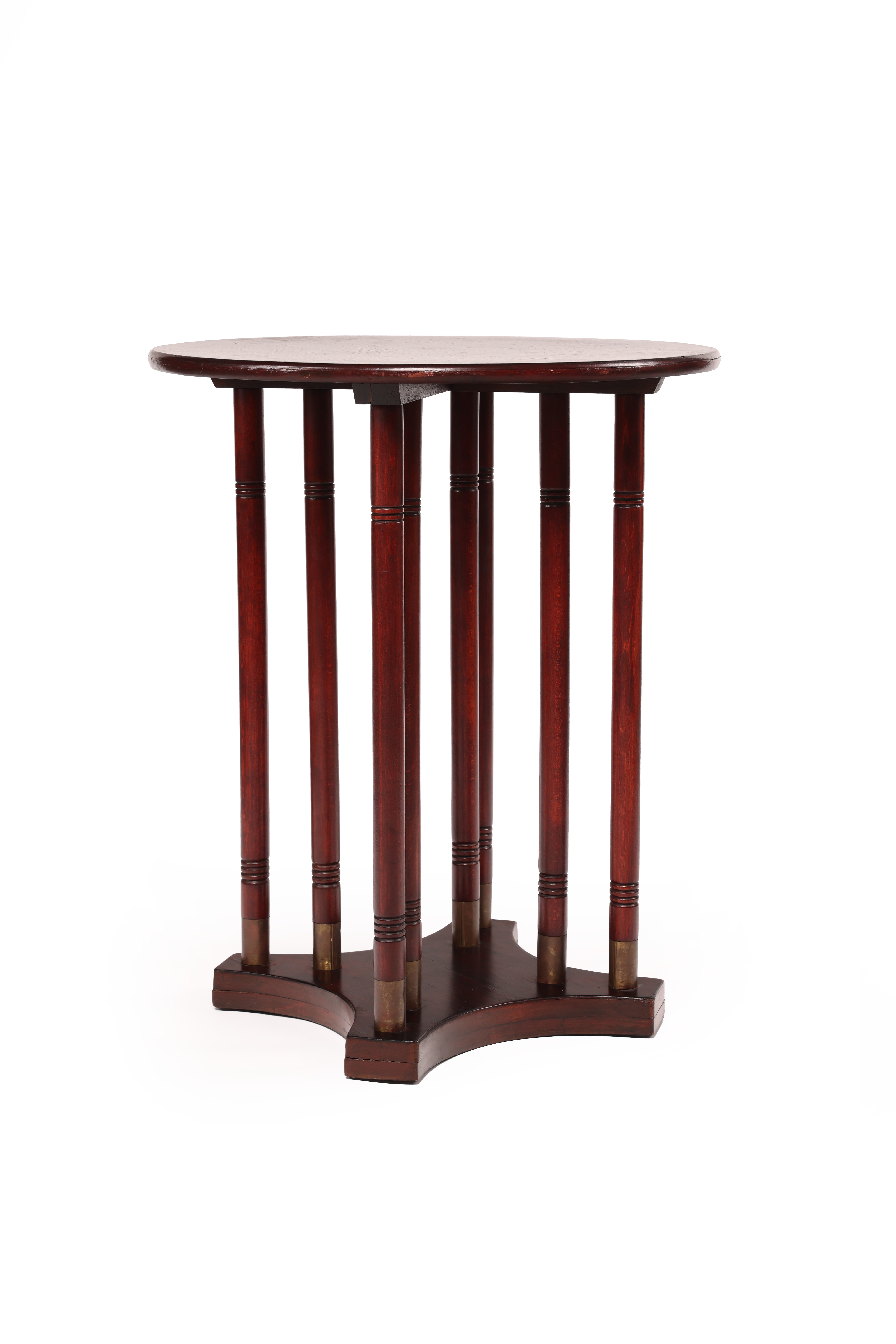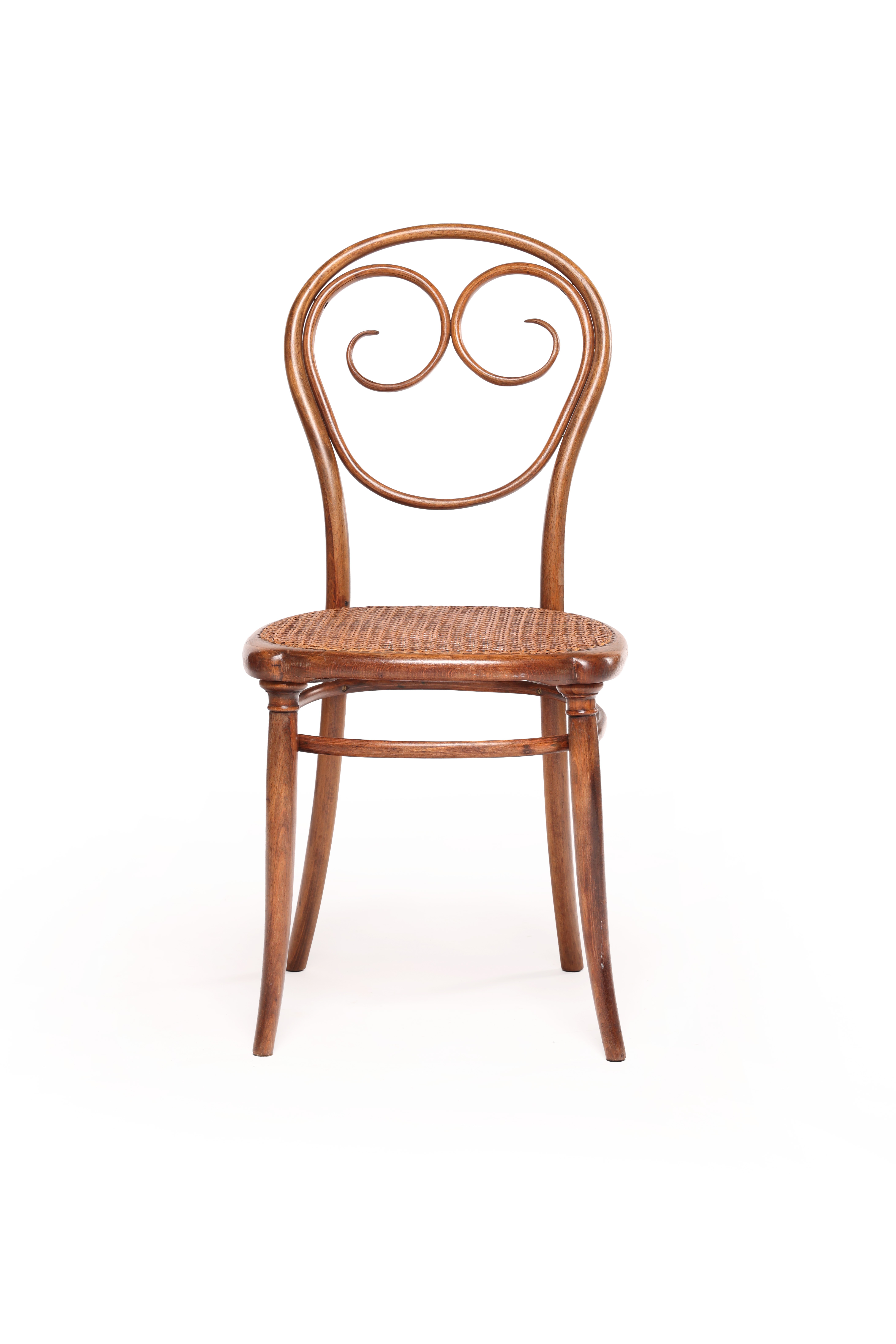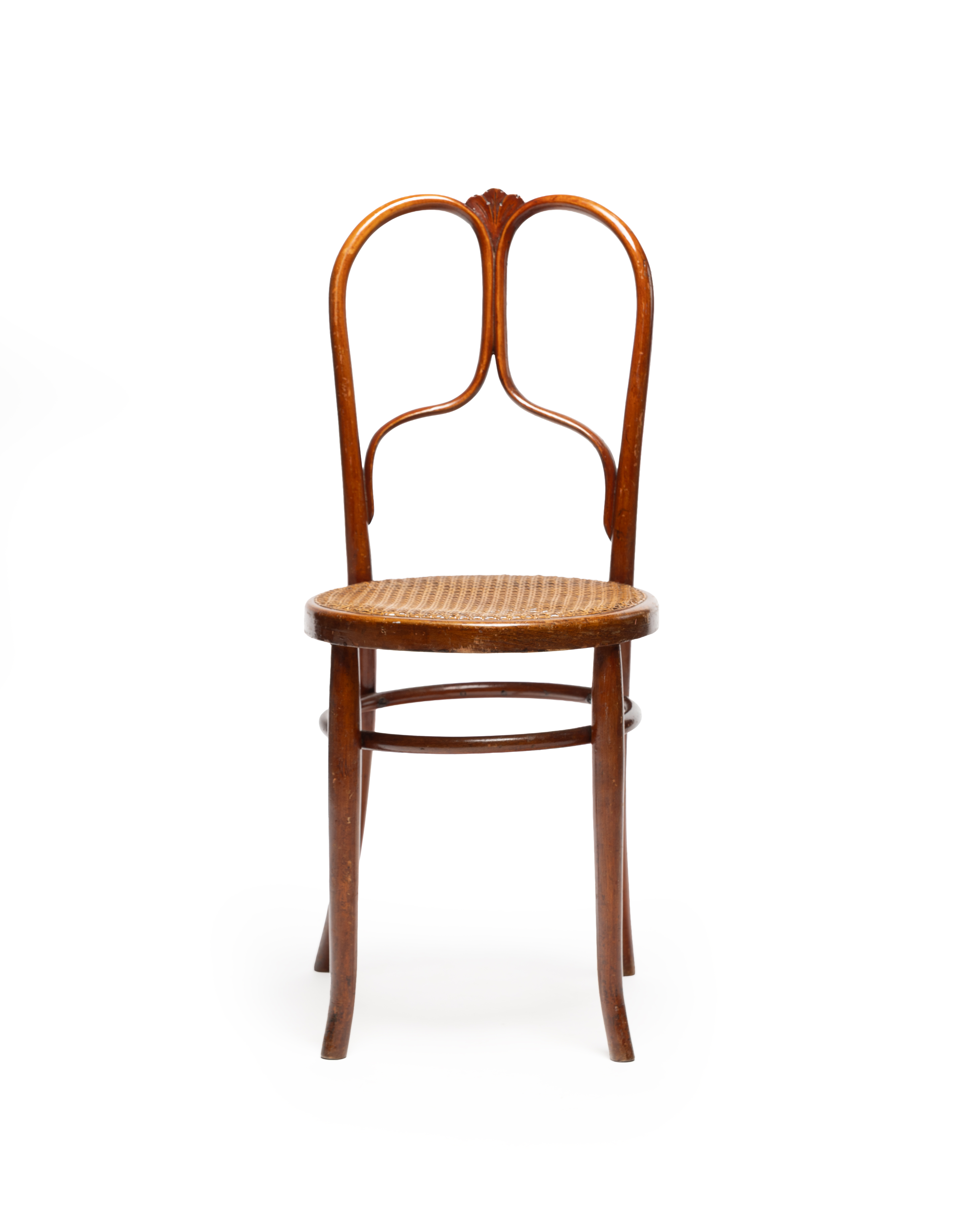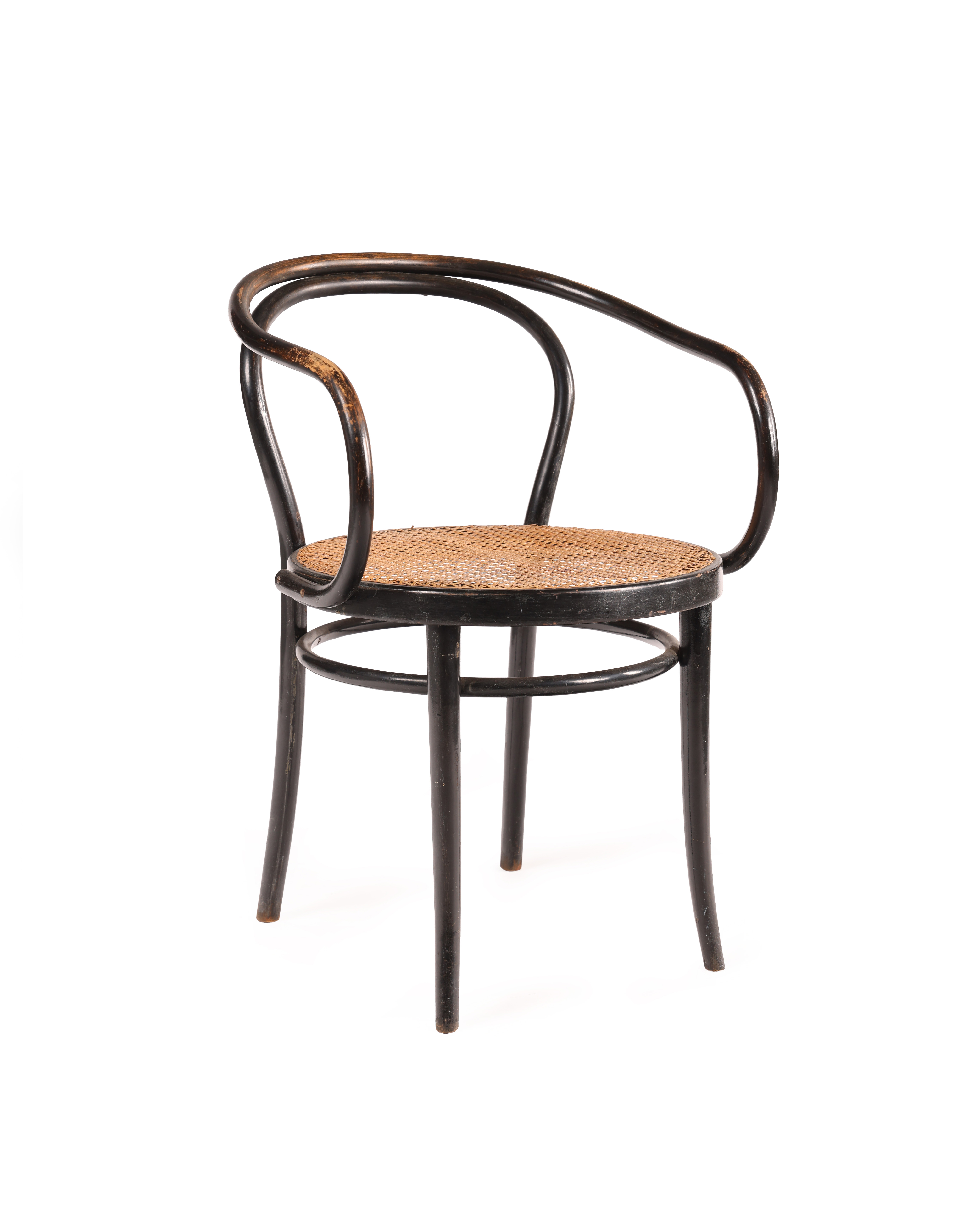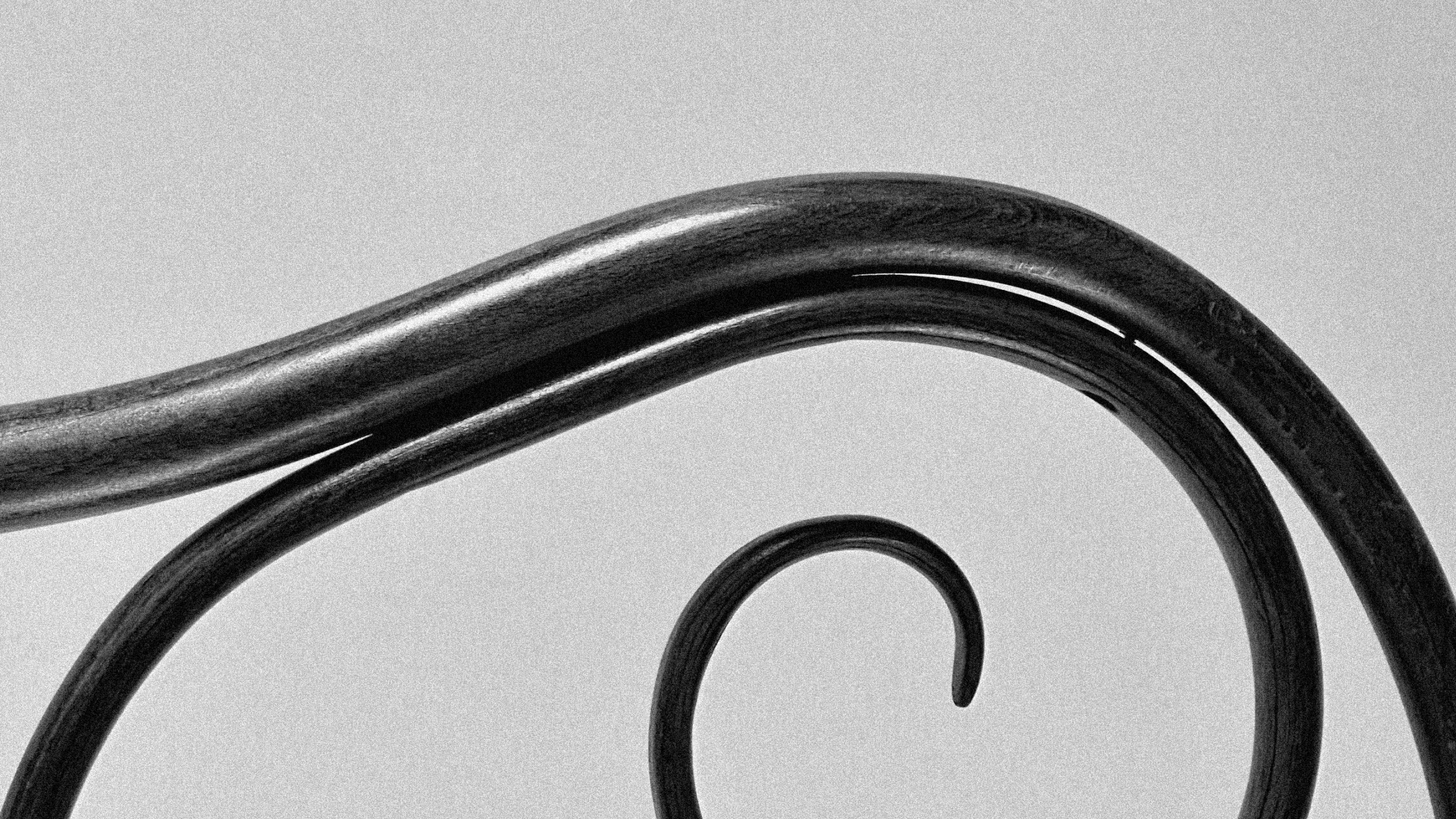


With the invention of bentwood furniture, Michael Thonet laid the cornerstone of industrial production. He was born in 1796 in Boppard/Rhine, where he opened his own workshop in 1819. In 1842 Prince Metternich summoned him to Vienna. Together with his sons he founded a company in 1849; within a short amount of time it became globally successful and expanded rapidly.
See moreJacob & Josef Kohn (commonly known as J. & J. Kohn) was one of the most important European manufacturers of bentwood furniture in the late 19th and early 20th centuries. Founded in 1849 in Vienna, the company played a crucial role in the development of industrial furniture production and significantly influenced modern furniture design. Alongside the famous firm Gebrüder Thonet, J. & J. Kohn helped establish Vienna as a global center of bentwood furniture manufacturing
See moreThe name Mundus - Latin for "world" - was chosen deliberately and meaningfully. It was not simply an elegant word: it was a program. The founders openly declared global ambitions, intending to supply furniture to every corner of the world, not merely the Austro-Hungarian market. The Latin root also connects to the English word mundane - "of the everyday world" - which captured the essential nature of the product: comfortable, quality furniture for daily life.
See moreWhen Thonet’s patents expired in 1869–1871, an entire ecosystem of bentwood manufacturers emerged across Central Europe. The most significant included D.G. Fischel & Söhne (Bohemia, 1871), which also established production in French Alsace; Josef Jaworek (Silesia, 1874), with offices in Vienna and London; Josef Hofmann Nachfolger (Jasienica, c. 1880), employing 700 workers at its peak; and Rudolf Weill & Co. and Adolf Wech, both from Buczkowice. Alongside Mundus, Thonet, and Kohn, these enterprises shaped the furniture landscape of the Austro-Hungarian Empire.
See moreWe focus our attention, expertise, and passion on Art Nouveau bentwood furniture. We curate a high-quality experience centered on sourcing, restoring, preserving, and promoting knowledge about bentwood as a cultural phenomenon.
See moreWith the invention of bentwood furniture, Michael Thonet laid the cornerstone of industrial production. He was born in 1796 in Boppard/Rhine, where he opened his own workshop in 1819. In 1842 Prince Metternich summoned him to Vienna. Together with his sons he founded a company in 1849; within a short amount of time it became globally successful and expanded rapidly.
Josef Hoffmann’s long life spanned more than eight decades of which he spent at least six active as an artist. He lived and worked in five political systems and influenced hundreds of designers to the present day while always remaining true to his high creative standards.
Renowned Czech designer and educator Jindřich Halabala (1903-1978) was known above all for his distinctive style of furniture designs he created for UP závody in Brno between the 1920s and the 1950s, where he served as chief designer, a position that strongly helped him to fundamentally influence the appearance of inter-war and post-war Czech households. There, Halabala also met the company’s founder, renowned Czech architect Jan Vaňek (1891-1962).